Retro Console Sticker Shock: Are You Paying for the Past or Buying the Future?
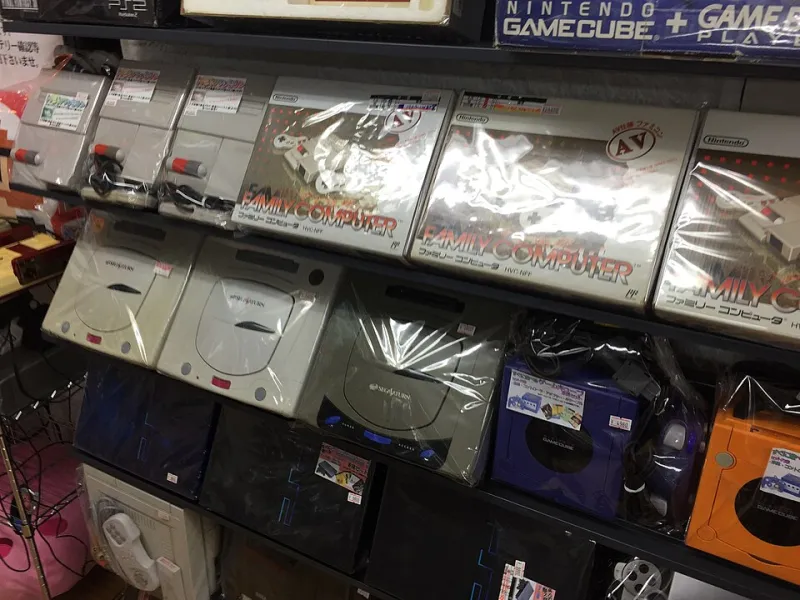
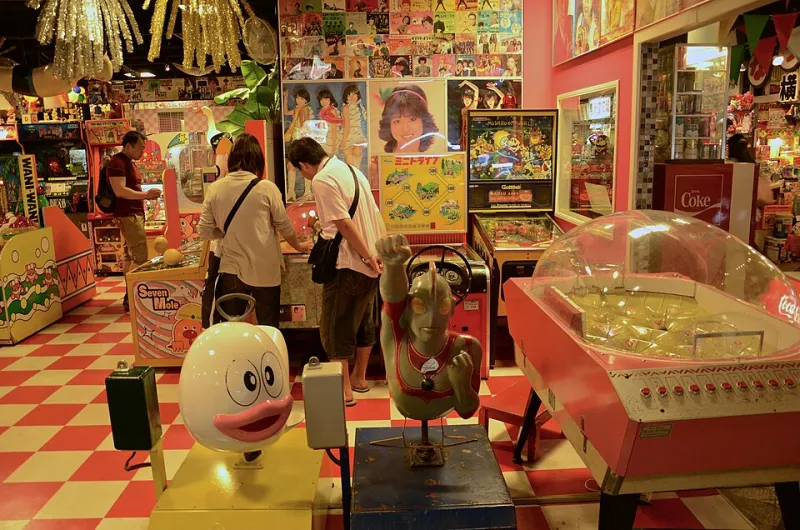
Photo: Ominae, CC BY-SA 4.0, via Wikimedia Commons
Somewhere between the thrill of finding a beat-up Super Nintendo at a garage sale and the moment you click "Add to Cart" on a $250 Analogue Super Nt, something shifts. That shift — from hobbyist to investor, from fan to collector — is exactly where the modern retro gaming market lives. And it's getting harder to figure out which side of the line you're standing on.
The retro gaming hardware market has quietly exploded. What was once a niche corner of eBay has ballooned into a multi-million dollar ecosystem of reproduction consoles, FPGA-powered machines, and curated handheld libraries. Companies like Analogue, Evercade, and Polymega are selling premium nostalgia at premium prices, and people are buying. The question worth asking out loud is: should they be?
The Original Hardware Rabbit Hole
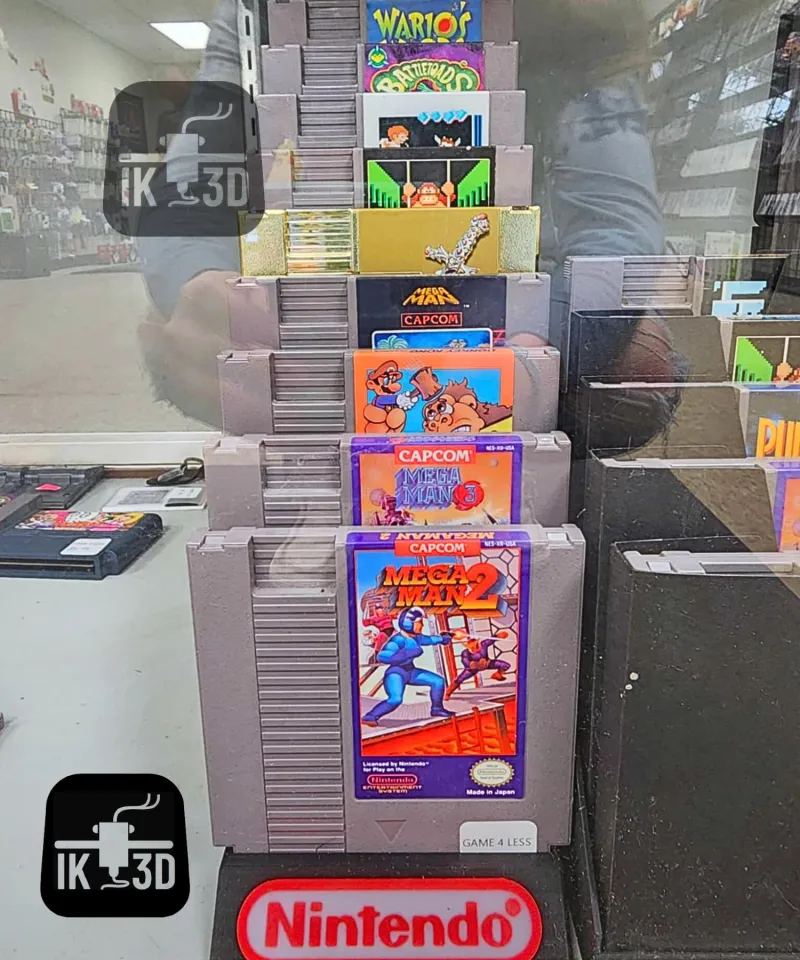
Let's start with the classic route. Hunting for original hardware is genuinely part of the culture — there's something deeply satisfying about tracking down a working NES with the original 72-pin connector, popping in a cartridge, and hearing that familiar startup chime. For a lot of us who grew up in the '80s and '90s, that tactile experience is the whole point.
But original hardware hunting in 2024 is a different sport than it was even five years ago. Retrogaming went mainstream. Prices on eBay and at local flea markets have reflected that hard. A loose copy of EarthBound for the SNES can run you $150 or more. A complete-in-box Chrono Trigger? You're looking at $300 on a good day. The consoles themselves aren't cheap either — a working SNES in decent cosmetic condition regularly clears $80 to $100. Add a handful of games and you've already crossed the $300 mark without blinking.
There's also the maintenance factor. Original hardware is old. Capacitors leak. Belts snap. The dreaded "blinking light" syndrome on the NES is practically a rite of passage. If you're not handy with a soldering iron — or willing to pay someone who is — original hardware can become a money pit faster than you'd expect.
Enter the Reproduction Machines
This is where companies like Analogue have carved out a genuinely impressive niche. Their approach isn't simple emulation — they use FPGA (Field-Programmable Gate Array) technology, which essentially recreates the original hardware's logic at a chip level. The result is a level of accuracy that software emulators have historically struggled to match, particularly for games that relied on specific timing quirks in the original silicon.
The Analogue Pocket, for example, retails at $219. It plays original Game Boy, Game Boy Color, and Game Boy Advance cartridges natively, and with adapters, can handle cartridges from a wide range of other classic handhelds. For collectors who care about playing games on real carts with near-perfect accuracy, that price starts to make sense — especially when you consider what a fully functional GBA SP alone costs on the secondhand market these days.
The Analogue Nt Mini Noir, though, is a different conversation. At $499, it's squarely aimed at the hardcore collector who wants the absolute best NES experience money can buy. That's a significant ask, and it's fair to wonder whether that level of perfection matters to anyone outside a very dedicated subset of enthusiasts.
Evercade takes a different philosophical approach altogether. Their EXP handheld and VS home console don't use original cartridges — instead, they sell licensed multi-game cartridges packed with titles from publishers like Atari, Namco, Data East, and more. The EXP retails around $99, and cartridge packs typically run $20 to $30 each. It's more of a curated library play than an authenticity play, and for casual retro fans who just want to play great old games without hunting for original carts, it's honestly a smart value proposition.
Breaking Down the Real Costs
Let's put some rough numbers on the table, because this is where the "nostalgia tax" conversation gets real.
Original SNES Setup (entry level):
- Working console: ~$80–$100
- RF/composite cables or HDMI mod: $15–$120
- 5 solid games: $75–$200+
- Total: $170–$420+
Analogue Super Nt Setup:
- Console: $189
- You still need games (same cart prices apply)
- Total: $264–$389+ depending on game selection
Evercade EXP Setup:
- Console: $99
- 3 cartridge packs: ~$60–$90
- Total: $159–$189
On paper, Evercade wins the affordability battle if you're a casual fan. Analogue wins on authenticity and long-term value for serious collectors. Original hardware wins on... soul, maybe. The feeling of it. That's harder to put a price on.
So What Are You Actually Buying?
Here's the honest take: the answer depends entirely on what you want from the experience.
If you're a collector who values preservation, owns a shelf of original cartridges, and wants to play them on a modern 4K TV without signal degradation or lag, the Analogue lineup is probably the most defensible purchase you can make. You're paying for engineering, accuracy, and longevity — not just a brand name slapped on a nostalgia box.
If you're someone who grew up loving arcade-style games and just wants to kick back with a bunch of classics without the treasure hunt, Evercade is doing something genuinely cool. The licensed library approach means you're not dealing with gray-area ROM packs, and the build quality on their newer hardware is solid.
If you love the hunt — the flea market Saturdays, the garage sale scores, the smell of old plastic — original hardware will always hit differently. Just go in with open eyes about the maintenance costs and the increasingly competitive market.
What these premium products are not is a rip-off, exactly. But they do require you to be honest about your own motivations. There's nothing wrong with paying for a premium retro experience. Just make sure you're paying for the experience you actually want — and not just the one that looks good on a shelf.
The glow of a classic game on a well-calibrated screen is real. Whether it's worth $500 is a question only your wallet — and your inner eight-year-old — can answer.