Couch Co-Op Never Died — It Just Moved to Your Group Chat
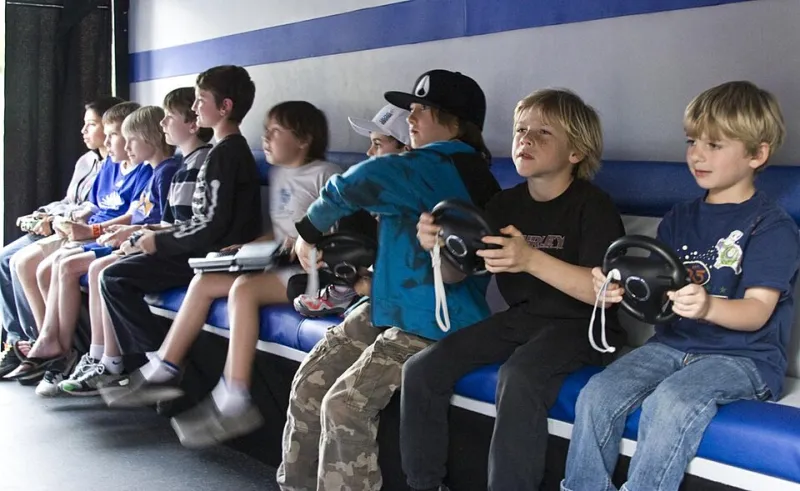
Photo: Gamesingear, CC BY-SA 3.0, via Wikimedia Commons
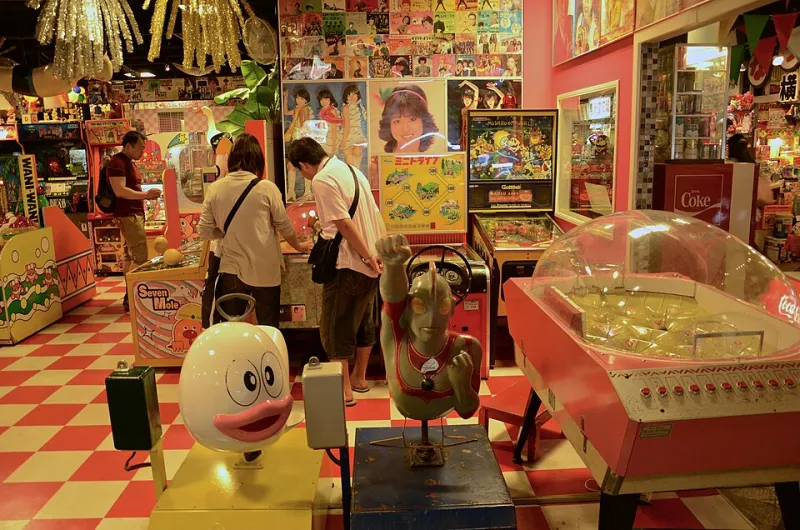
There was a specific kind of Friday night in the '90s that a certain generation of gamers will never fully shake. You'd pile into someone's basement or living room, someone's older sibling had rented a game from Blockbuster, and for the next four hours the outside world basically ceased to exist. Nobody was checking a phone. Nobody was worried about notifications. You were all just there, together, in the glow.
That feeling — communal, chaotic, weirdly sacred — is something a lot of us have been quietly chasing ever since. And judging by what's happening in living rooms, Discord servers, and community centers across the country right now, we're not alone in the search.
Why Solo Gaming Hits Different (and Not Always in a Good Way)
Modern gaming is incredible. Nobody's arguing that. But there's a particular flavor of loneliness baked into a lot of contemporary gaming culture that's hard to ignore. You load up a massive single-player RPG, sink 60 hours into it, finish it, and then... what? You post about it online and get a few likes. Maybe you find a Reddit thread. It's satisfying, but it's solitary in a way that feels fundamentally different from gaming as a shared experience.
Even multiplayer has shifted. Online matchmaking is technically social, but getting matched with strangers in a ranked lobby is a far cry from sitting next to your best friend on a couch and elbowing each other during a tense Mario Kart race. The physical proximity mattered. The shared reaction — everyone gasping when someone pulled off an impossible comeback in Mortal Kombat — that was the whole thing.
A lot of millennials and Gen Xers are naming this feeling out loud now, and they're doing something about it.
The Basement Tournament Revival
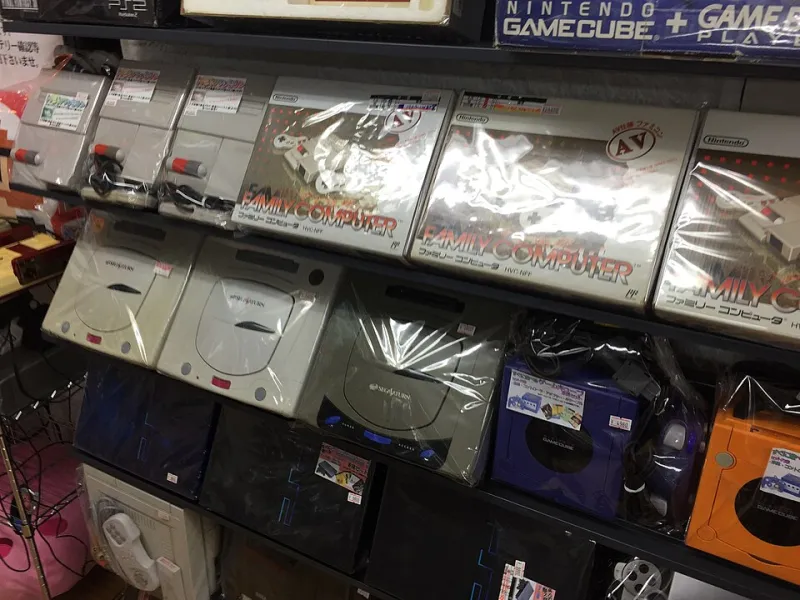
Across the country, people are dusting off their retro hardware and turning it into the centerpiece of adult social gatherings. We're not talking about massive esports events — we're talking about eight people in a suburban living room in Columbus, Ohio, running a single-elimination Street Fighter II bracket on a 32-inch flatscreen with a modded SNES. We're talking about a group of friends in Austin who host a monthly retro game night that's been running for three years, rotating between GoldenEye 007, Mario Party, and Tecmo Super Bowl.
These gatherings are deliberately low-tech and high-social. The point isn't to showcase the best hardware setup or the rarest cartridge — it's to recreate the atmosphere. Snacks on the coffee table. Everybody in the same room. Controllers being handed off and trash talk flying freely. It's analog socializing using analog (or analog-adjacent) technology, and it works in a way that a lot of more polished adult social events just... don't.
For many hosts, the retro angle is intentional. There's a leveling effect to older games — nobody has a competitive advantage because they've been grinding ranked matches for 200 hours. Everyone starts from roughly the same place, which makes it more inclusive and, frankly, more fun.
Streaming Old-School Games to Find Your People
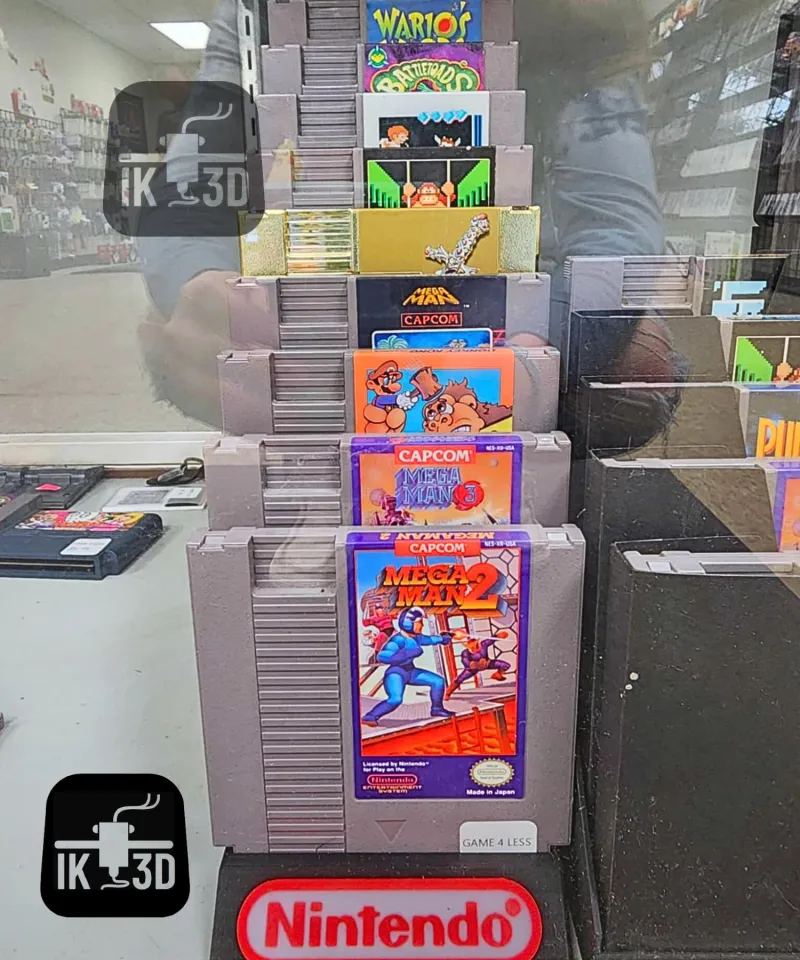
Not everyone has a crew nearby who's down to spend a Saturday playing Contra on the original NES. That's where the online side of this revival gets interesting.
Twitch and YouTube have robust retro gaming communities, but Discord has become the real connective tissue. Servers dedicated to specific consoles, specific eras, or just general retro culture have become gathering places for people who want to talk about these games with the kind of enthusiasm that doesn't always land in a general gaming group chat. Some servers organize watch parties around retro streams. Others run asynchronous game-of-the-month challenges where members all play the same classic title and compare notes.
The streaming angle has also given people a way to share the experience beyond their immediate geography. Hosts will stream their local retro game nights on Twitch, and suddenly their audience isn't just the four people on the couch — it's a small but engaged online community who grew up playing the same games and are living vicariously through the session. The chat becomes its own version of that basement crowd, reacting in real time, calling out bad plays, celebrating the moments.
It's not the same as being in the room. But it's not nothing, either.
The Blockbuster Effect (and Why It Still Matters)
There's a reason so many people who grew up in the '80s and '90s specifically reference Blockbuster when they talk about gaming nostalgia. It wasn't just a store — it was a weekly ritual with social gravity. You went with someone. You argued about what to rent. You had to return it by a certain time, which created a shared deadline and a shared urgency.
That ritual structure is something modern gaming largely lacks. Downloads are instant and infinite. There's no scarcity, no deadline, no shared stakes. The retro gaming party, whether it's in-person or online, reintroduces some of that structure. There's a time and a place. There are specific games. There are other people involved. The experience has edges.
That's not a small thing. Research on social bonding consistently points to shared experiences with defined beginnings and endings as particularly powerful connectors. A four-hour Mario Kart tournament is, in its own goofy way, exactly that kind of experience.
Keeping the Spirit Alive Without the Rose-Colored Glasses
It's worth noting that not everything about '90s gaming culture deserves to be preserved. Some of it was exclusionary. Some of it was genuinely toxic in ways we've gotten better at identifying. The goal isn't to recreate the past wholesale — it's to extract what was genuinely good about it and bring that energy into the present.
The good stuff? The togetherness. The shared language of games that a whole generation grew up speaking. The low-stakes joy of competing against your friends in something that doesn't actually matter. The way a really good couch co-op session can make four adults feel like kids again for a few hours.
That part? That's worth every effort to keep alive. And from what's happening in living rooms and Discord servers and Twitch streams right now, it seems like a whole lot of people agree.
Plug in. Press start. Bring some friends.