The Paper Patch Notes: Why a Game's Instruction Booklet Was Half the Experience
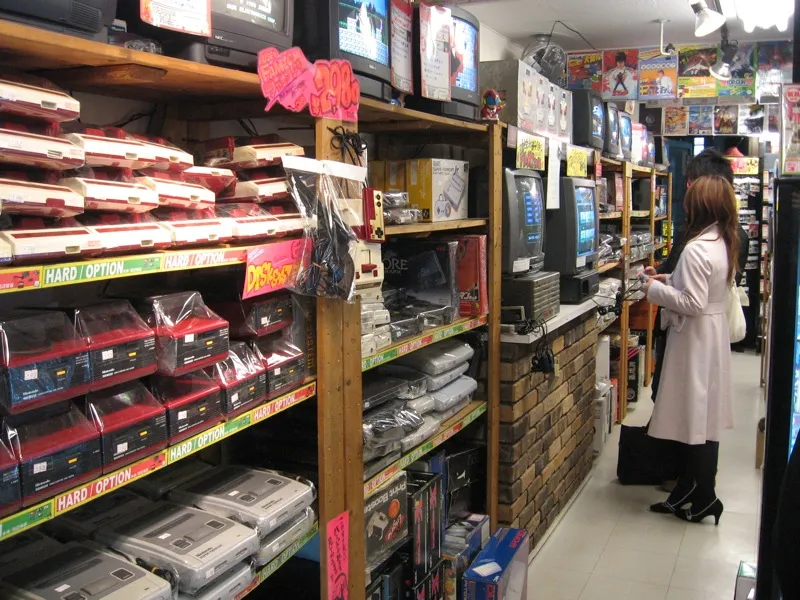
Photo: Nicholas, CC BY 2.0, via Wikimedia Commons
There was a time when buying a game meant getting two things: the cartridge or disc, and a little paper world that explained what you were holding. Before the title screen, before the first Continue?, there was the manual. You read it in the car. You read it in the bathroom. You read it at the dinner table until someone told you to put it away. For a certain generation, that booklet was not an accessory. It was the first level.
The Manual Was Part of the Cartridge
A good manual did more than list buttons. It set the tone. The NES and SNES booklets often opened with a story prologue, character profiles, and a map of the first area. Genesis manuals had attitude. PlayStation manuals got glossy and weird, with concept art and lore dumps that never appeared on screen. The control map was practical, but the surrounding pages were pure atmosphere. They taught you how to inhabit the world before you could move a sprite through it.
That mattered. Games in the 8-bit and 16-bit eras could not always explain themselves. Text boxes were limited. Cutscenes were expensive. The manual filled the gaps and made the cartridge feel bigger than its plastic shell. It gave you a vocabulary for the game: enemy names, item functions, the difference between a warp whistle and a power-up. You did not just learn the controls. You learned the rules of the universe.
A Strategy Guide for Your Imagination
Some manuals were basically mini strategy guides. They included enemy tables, dungeon maps, hidden item hints, and short biographies for characters who got two lines of dialogue in the actual game. Others went the opposite direction and included fake advertisements, developer jokes, and warnings so dramatic they felt like part of the fiction. A booklet could make a mediocre game feel mysterious. It could make a great game feel like an event.
The bathroom-reading ritual was real. A manual was the closest thing many kids had to a portable lore dump. You would read the same paragraph about the Shadow Sword three times, then flip to the back to study the enemy list. It was not efficient. It was not interactive. It was, in its own quiet way, immersive. The game was not just on the TV anymore. It was in your hands, on paper, waiting for the console to warm up.
What We Lost When the PDF Won
Digital manuals are fine in theory. They are searchable. They do not get lost in a move. But a PDF is a document. A manual was an object. It had weight, smell, and wear. It had notes in the margins from a previous owner. It had a fold-out map that never folded back correctly. It had a safety warning page that nobody read and a controller diagram that everybody did.
When games went digital, the manual did not disappear so much as retreat into a menu. In-game tutorials took over the job of teaching controls. Store pages took over the job of selling the fantasy. The paper trail thinned out. That matters for preservation. We talk a lot about saving ROMs, fixing consoles, and recapping boards, but the manual is part of the historical record. It shows how the game was marketed, how it was explained, and what the developers thought players needed to know. Losing that is losing context.
How to Keep the Paper Trail Alive
You do not need to become a museum curator to help. Keep the manuals you have. Store them flat and away from damp basements. If you buy loose cartridges, consider hunting down the booklet separately. Scan the ones that are rare or fragile. Support archives and projects that document instruction booklets. When you see a complete-in-box copy at a flea market, understand that part of what you are paying for is the paper.
And if you have a shoebox of old booklets in the closet, do not toss it during the next cleaning spree. That shoebox is a small archive of how we learned to play. It is also a reminder that games used to ask something of us before we pressed Start: a little patience, a little reading, a little imagination.
The next time you boot up an old favorite, try reading the manual first. Plug in. Press start. Remember everything — including the pages that came in the box.