One Block at a Time: The Strange, Social Panic of a Full PlayStation Memory Card
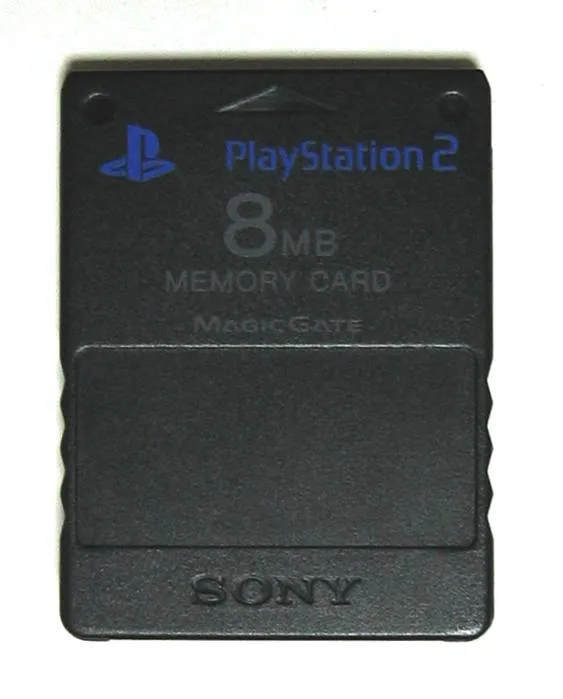
Photo: Qurren, CC BY-SA 3.0, via Wikimedia Commons
My PlayStation memory card had fifteen blocks. That number still feels important, like a locker combination or the amount of money I had in my pocket on a Friday night. Fifteen blocks was enough for a few big saves and a bunch of tiny ones. It was never enough. The card sat next to the console like a tiny gray brick of anxiety, and every time I booted a new game, I knew the question was coming: where is this save going to live?
Fifteen Blocks and a Prayer
The PlayStation memory card was not elegant. It was a plastic rectangle with a label sticker that peeled off if you looked at it wrong. But it was personal. You could scroll through the save icons and see the story of your gaming life: a completed adventure, a racing profile, a fighting game record, a file you made with a friend at a sleepover and never touched again. Each block had a name and a tiny icon. Each icon was a little flag planted in your own history.
When the card filled up, the console did not gently suggest a cleanup. It told you there was no room. Then it was time to make decisions. You could delete a save. You could buy another card, which felt like buying a second wallet for your memories. Or you could stop playing. Most of us deleted something and felt weird about it for the rest of the day.
The Politics of Deleting a File
Deleting a sibling's save file was not a tech decision. It was a diplomatic incident. You had to weigh whose file it was, how far they were into the game, and whether they would notice before dinner. You learned to bargain. You learned to hide a memory card in a sock drawer. You learned that a full card could turn a family room into a small country with border disputes.
Parents did not understand the stakes. To them, it was just a file. To us, it was the only proof that we had beaten the water temple or unlocked the secret character. The save was not a cloud backup. It was a physical tenant on a tiny piece of hardware. If you deleted it, it was gone. That made every save feel more precious than it probably should have.
Corruption as Childhood Trauma
And then there was corruption. A memory card could fail. A save could load with a scrambled icon. A friend could turn off the console while it was writing. You would stare at the screen and feel something close to grief. There was no support ticket. There was no previous version. There was just a card that had betrayed you and a game that now expected you to start over.
I still remember blowing on contacts that did not need blowing on, as if the problem was dust and not fate. The memory card made games feel like objects with real limits. You could not save scum your way through everything. You could not rely on autosave. You had to think about when to save, where to save, and what you were willing to lose. That was annoying. It was also, in a strange way, meaningful.
Cloud Saves Solved the Wrong Problem
Modern cloud saves are better. They are invisible, automatic, and effectively infinite. You can lose a console and keep your progress. You can start a game on one machine and finish it on another. Nobody has to negotiate over fifteen blocks ever again. Convenient, yes. But it erased a ritual of stewardship.
We traded anxiety for indifference. A save file used to be something you tended. Now it is something the system handles. The tiny icon is gone. The label sticker is gone. The social negotiation is gone. I am not arguing that we should go back to corrupted saves and family arguments. But I do think we lost a small, tangible relationship with our games. The limit made the choice visible. The choice made the save feel like yours.
The Ritual of Stewardship
Maybe that is why retro gamers still get excited about memory cards. They are not just hardware. They are ledgers. They show what we played, what we finished, and what we abandoned. They show who we shared a console with. They show the summer when we had enough time to fill every block and still want more.
A 2026 revival does not need to bring back corruption screens. But a retro-style game with limited save slots, or a physical memory card replica that actually stores files, would hit a nerve. Not because inconvenience is noble. Because stewardship is a form of attachment. When you have to protect something, you pay attention to it.
I still have my old card somewhere. The label is mostly gone. I do not know if the saves still load. But I know what it felt like to scroll through those blocks and see a childhood pressed into fifteen little slots. Full card. No room. Start over? Not yet.