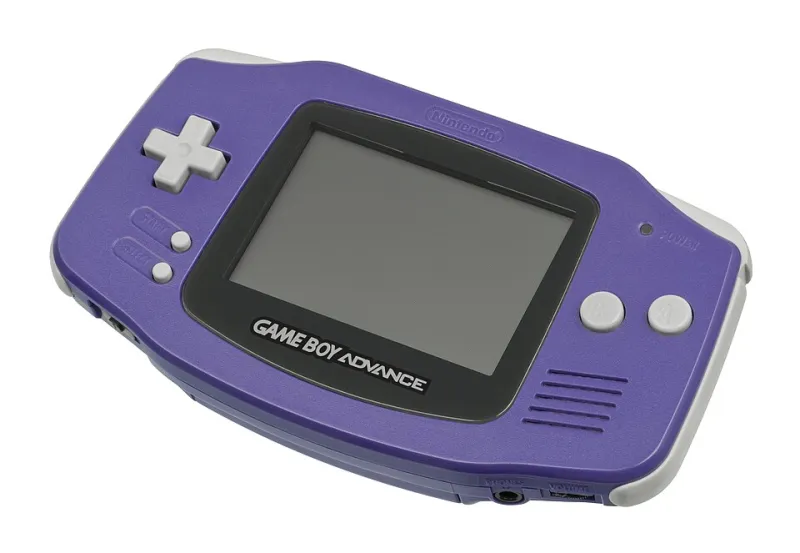
When Nostalgia Becomes a Price Tag: The Uncomfortable Economics of Retro Game Collecting
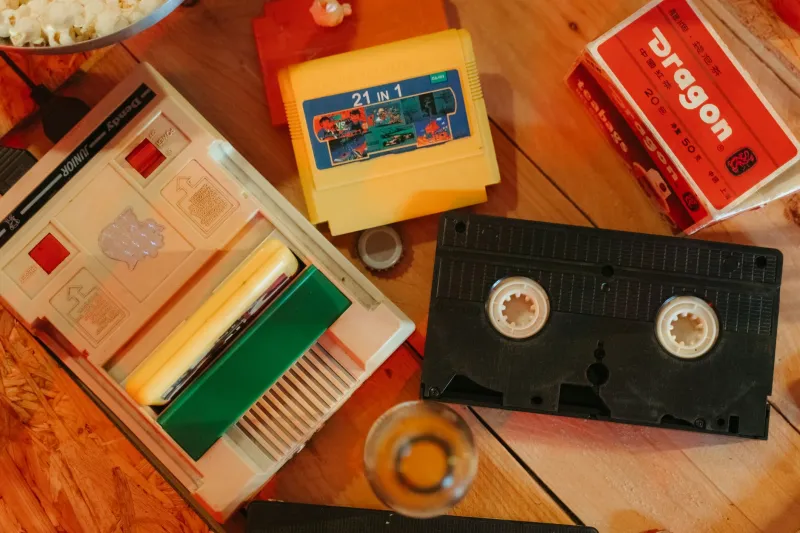
There's a specific kind of gut punch that hits you when you search eBay for a game you played constantly as a kid, fully expecting to pay something reasonable, and instead find listings that look like they belong on a luxury watch auction site. That $5 weekend rental from your local video store? It's now a graded slab sitting behind glass, listed at $400 minimum. Welcome to the retro gaming market in 2025 — where your childhood is absolutely for sale, but nobody said anything about it being affordable.
The shift didn't happen overnight, but for a lot of collectors, it felt that way. One year you're casually picking up Super Nintendo cartridges at garage sales for a few bucks each. The next, you're watching strangers on YouTube pop open sealed NES boxes and announce six-figure valuations like they're hosting Antiques Roadshow. Something fundamentally changed in how we assign value to these old games, and it's worth digging into exactly what that something is.
The Psychology Behind Paying Absurd Prices for Old Plastic
Let's be honest about what's actually being sold here. It's not just a cartridge. It's not even really a game. What you're buying — what the market is genuinely pricing — is the feeling of being ten years old on a Saturday morning with nowhere to be and nothing expected of you. That's the product. And it turns out, that product has almost no ceiling price for the right buyer.
Psychologists call this "nostalgic value premium," and it's well-documented. When an object is tied to a positive emotional memory, our brains essentially short-circuit the rational cost-benefit analysis we'd normally apply to a purchase. You're not buying a copy of Chrono Trigger. You're buying proof that those summers actually happened, that they were real, that you can somehow get back to a version of yourself that felt simpler and less complicated.
Millennials and Gen X collectors are hitting peak earning years right now. They have disposable income they didn't have at 25, and they're spending it on things that feel meaningful in a way that, say, another streaming subscription simply doesn't. Combine that purchasing power with the emotional gravity of childhood nostalgia, and you've got a market that's almost immune to rational pricing.
How Social Media Turned a Hobby Into a Hype Machine
If nostalgia is the fuel, social media is the accelerant. YouTube channels dedicated to retro game hunting have millions of subscribers. TikTok is full of satisfying "thrift flip" videos where someone casually pulls a valuable cartridge out of a bin. Instagram accounts post beautifully lit shelf tours of complete-in-box collections. All of this content does something powerful: it makes collecting look exciting, accessible, and — crucially — profitable.
When a popular creator opens a sealed copy of Stadium Events or shows off a rare regional variant, they're not just sharing a hobby. They're broadcasting a price signal to hundreds of thousands of people simultaneously. Suddenly, everyone who owns that game checks what theirs is worth. Sellers relist at the new high. Buyers accept the new floor. The market adjusts upward in real time, and there's no mechanism pulling it back down.
Celebrity collectors have accelerated this even further. When well-known names started publicly getting into retro gaming — and when major auction houses began treating video games like fine art — it legitimized the high-end market in a way that changed everything. Once Heritage Auctions is selling a copy of Super Mario Bros. for over a million dollars, the psychological anchor for what games are "worth" shifts for everyone, even at the $50 and $100 level.
The FOMO Factor: Scarcity, Real and Manufactured
Here's where it gets a little uncomfortable. Not all of the scarcity driving retro game prices is organic. Yes, there are genuinely rare games — titles with limited print runs, regional exclusives, prototypes. Those have always commanded premiums among serious collectors. But a lot of what's driving mainstream price increases is perceived scarcity amplified by FOMO.
Grading services have played a significant role here. When a third-party company certifies and encases a game in a tamper-evident plastic case, it creates a tiered market where the same game now exists in multiple economic categories. A loose cartridge, a complete-in-box copy, and a graded 9.8 copy of the same title might carry wildly different price tags — not because the underlying game changed, but because the packaging and certification created artificial distinction.
And then there's the simple math of a generation aging into its collecting years all at once. There are only so many complete-in-box copies of beloved 16-bit titles in existence. When millions of nostalgic adults simultaneously decide they want one, the supply doesn't grow to meet demand. Prices do what prices do.
Playing It Smart: Getting the Retro Experience Without the Luxury Bill
Here's the good news — and there genuinely is good news. If your goal is to actually play classic games rather than display them as collectibles, you have more options than ever, and most of them won't require refinancing anything.
Go loose, not complete. A cartridge without its box plays exactly the same as a complete-in-box copy. For most games, you're looking at a fraction of the price for an identical experience. Unless you're a serious collector, the box is just cardboard.
Embrace official rereleases. Nintendo's Switch Online library, the various Mini consoles, and digital storefronts have made hundreds of classic titles legally available for a few dollars or as part of a subscription. It's not the same as holding the original cartridge, but if you want to play Kirby's Adventure tonight, you can do that for under $25 a year.
Look at underrated systems. The SNES and Genesis markets are rough right now. But the Sega Saturn, TurboGrafx-16, and even early PlayStation have deep libraries with games that haven't fully caught the nostalgia wave yet. You can still build a genuinely great collection in these ecosystems without paying collector premiums on every single title.
Shop local and shop patient. Estate sales, Goodwill, Facebook Marketplace, local flea markets — these channels still surface deals that eBay prices haven't caught up to. It takes time and some luck, but the thrill of finding a $3 gem at a church sale is its own kind of reward.
Set a ceiling and stick to it. The most dangerous thing about the current market is that prices can feel normalized when you're deep in collector communities. Decide what you're willing to pay for a hobby item before you start browsing, and treat that number as firm. Your future self will appreciate the discipline.
The Real Question Worth Asking
None of this is to say that retro game collecting isn't a legitimate and genuinely rewarding hobby. It absolutely is. The community is passionate, knowledgeable, and welcoming in ways that a lot of hobby spaces aren't. And if you have the means and the desire to spend serious money on a sealed copy of something you love, that's a completely valid choice.
But it's worth occasionally stepping back and asking what you're actually after. If it's the games themselves — the mechanics, the music, the stories, the feeling of sitting in front of a CRT on a rainy afternoon — you can have all of that without paying the nostalgia tax. The memories don't live in the cartridge. They live in you, and they're still free.
The market will do what markets do. Prices may keep climbing, or they may eventually correct. Either way, the games are still good. Pop in whatever you can afford, press start, and let the rest sort itself out.