Cracked Open and Rebuilt: Inside the World of Game Boy Modding
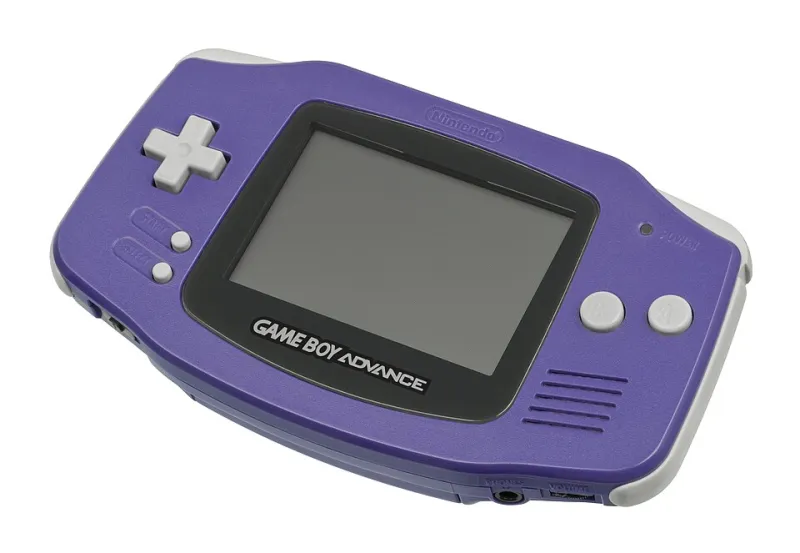
Photo: Evan-Amos, Public domain, via Wikimedia Commons
There's a specific kind of magic that happens when you power on a Game Boy for the first time in twenty years. The familiar click of the power switch, that chunky green tint washing over the screen — it hits somewhere deep. But for a lot of folks, that magic lasts about thirty seconds before reality sets in: you literally cannot see the screen in anything less than direct sunlight.
That's where the modding community steps in.
Over the past several years, a passionate and surprisingly technical group of retro gaming enthusiasts has been quietly transforming classic Nintendo handhelds into something the original designers never imagined. We're talking backlit IPS displays, rechargeable USB-C battery systems, custom-printed shells in every color imaginable, and even overclocked processors. The Game Boy — in its original DMG, Pocket, Color, and Advance forms — has become a canvas.
Why Now? Why This?
It's worth asking why the modding boom is happening in 2024 and not, say, 2004. A few things converged at once.
First, the parts got good. Early LCD replacement kits were frankly rough — washed-out colors, poor refresh rates, finnicky installation. Today's IPS panels from suppliers like Funnyplaying and RetroSix are genuinely impressive. A properly modded Game Boy Advance SP with a laminated IPS screen looks better than most people's memories of the original hardware.
Second, the community got organized. YouTube channels dedicated entirely to handheld mods have racked up millions of views. Reddit communities like r/Gameboy have become bustling hubs for build photos, troubleshooting threads, and parts reviews. Discord servers connect modders across skill levels. The knowledge barrier dropped significantly.
Third — and maybe most importantly — the people doing this grew up. The core Game Boy audience is now in their thirties and forties, earning adult incomes and feeling the pull of nostalgia hard. Spending $80 to make a childhood relic actually usable doesn't feel frivolous when you frame it as honoring something meaningful.
The Mod Menu: What's Actually Out There
If you're new to this world, the scope of available upgrades can feel overwhelming. Here's a practical breakdown of the most popular modifications:
IPS Screen Upgrades — The most common starting point. Replacing the original reflective LCD with a modern IPS panel transforms readability entirely. Prices range from around $25 for a basic kit to $60+ for a laminated display (where the screen sits flush against the lens, eliminating that air-gap shadow). Installation varies from "pretty manageable" on a GBA to "genuinely fiddly" on an original DMG.
USB-C Rechargeable Batteries — Swapping out AA batteries for a built-in rechargeable lithium pack is a game-changer for actually using these things regularly. Kits exist for almost every model and typically run $15–$30.
Custom Shells — This is where personality really enters the picture. Aftermarket shells come in translucent colors, solid pastels, two-tones, and even custom-printed designs. Some modders commission completely unique artwork. A quality shell replacement runs $20–$40 and is often the first mod beginners tackle.
Overclock Kits — For the technically adventurous, processor overclock mods can speed up games that originally ran slowly. This one's more niche and carries some risk if you're not comfortable with soldering.
Backlighting for Original DMGs — The original 1989 brick is the holy grail for many. Getting a proper backlit screen into a DMG requires more work than later models, but the result — a glowing original Game Boy — is deeply satisfying.
The Purist Debate
Not everyone in the retro community is thrilled about all this.
There's a genuine philosophical divide between modders and preservationists. The purist camp argues that altering original hardware — especially swapping screens or shells — destroys historical accuracy and reduces the value of authentic units. "If you want a backlit screen, buy a GBA SP," is a common refrain. There's also a concern about the parts supply: as modders buy up working original units to strip for shells and boards, prices for unmodified examples climb.
Modders, meanwhile, tend to push back hard. Their argument is essentially: these are toys, not museum pieces. Making them functional and enjoyable honors the spirit of the hardware better than letting it sit in a box. "I'm not defacing anything," one modder posted in a recent r/Gameboy thread. "I'm giving it a second life."
Both sides have a point, honestly. The key distinction most experienced modders draw is reversibility — quality mods that don't permanently damage original boards are widely considered more acceptable than destructive modifications.
Getting Started Without Losing Your Mind
If you're thinking about dipping a toe in, here's the honest advice from people who've been doing this a while:
Start with a GBA or GBA SP. They're the most mod-friendly platforms, parts are widely available, and the community support is extensive. Don't start with an original DMG unless you're already comfortable with soldering.
Buy from reputable suppliers. Funnyplaying, RetroSix, and Hand Held Legend are consistently recommended. Cheap no-name kits from certain marketplace sellers are a coin flip.
Watch the install video before you buy the part. Some mods require soldering. Some don't. Know what you're signing up for.
Join a community before you start. The r/Gameboy subreddit and related Discord servers are genuinely helpful. Post your build photos when you're done — people love seeing finished projects.
The modding scene is, at its core, a love letter to a specific era of gaming. It's people who grew up squinting at green screens in the backseat of their parents' minivans deciding that the thing they loved deserves better. Honestly? Hard to argue with that.
Plug it in. Press start. Just maybe swap the screen first.