When Doing the Right Thing Feels Like the Wrong Move: The Strange Morality of Legal Retro Gaming
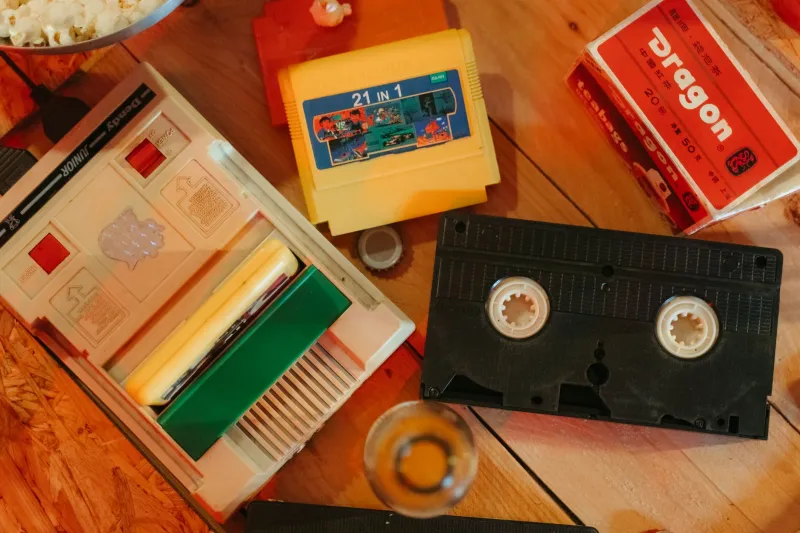
Let's say you grew up playing Super Metroid on a chunky gray cartridge in a wood-paneled basement. You remember the exact moment Samus's ship landed on Zebes. You remember the hum of the CRT. You remember everything.
Now you want to play it again. Legally. The right way.
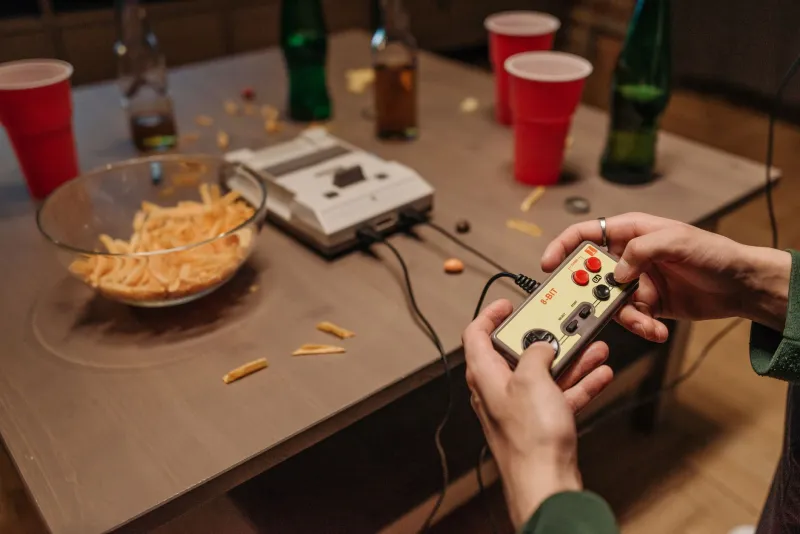
So you pull out your credit card, subscribe to Nintendo Switch Online + Expansion Pack, pay the premium tier, navigate three menu layers, and finally launch the game — on a service that could yank it tomorrow, doesn't support your TV's resolution cleanly, and costs you annually what that original cartridge sold for at launch. Meanwhile, your friend downloaded a ROM in forty seconds, loaded it in RetroArch with perfect scanline filters, and mapped it to a controller that actually fits adult hands.
Which one of you made the ethical choice? Increasingly, that question doesn't have a clean answer.
The Official Route Isn't Exactly a Warm Welcome
The companies that own retro gaming's most beloved libraries have had decades to figure out how to sell us our own memories back at a fair price. The results have been... mixed, to put it charitably.
Nintendo's Switch Online library is genuinely impressive on paper — NES, SNES, N64, Game Boy titles all accessible through a subscription. But the Expansion Pack tier runs around $50 a year, and the N64 emulation in particular launched with performance issues that free emulators solved years ago. There's also the looming question of what happens to that access when the Switch era ends and Nintendo moves on to its next platform. You're not buying anything. You're renting nostalgia on their terms.
Sega has made more goodwill moves with its Genesis/Mega Drive collections, and PlayStation's catalog through PS Plus Premium is surprisingly deep — but region locks, licensing gaps, and titles that simply vanish from the service without warning make the whole thing feel unstable. You could spend an afternoon building a playlist of classic PlayStation games only to find half of them unavailable in your region or quietly delisted six months later.
And then there's the elephant in the room: a massive chunk of classic gaming history isn't available through any official channel at all. Not on a subscription. Not as a digital purchase. Not as a re-release. Just... gone. Legally inaccessible. The only way to play those games is to either pay absurd secondhand prices for original hardware and cartridges, or load up an emulator.
The Collector's Paradox
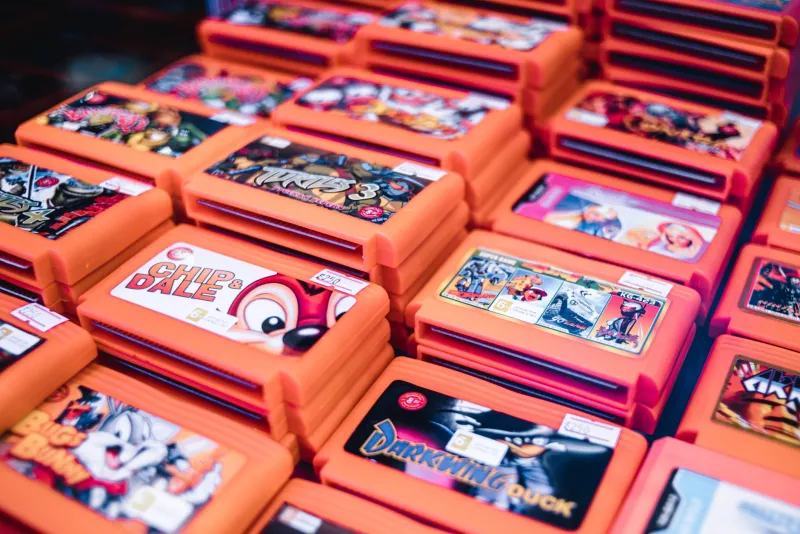
Here's where things get genuinely weird. If you're a collector who already owns the original cartridge — bought it new, kept it for thirty years, still have the box — you arguably have the strongest moral claim to play that game of anyone alive. You paid for it. You supported the developer at release. You preserved it.
And yet if you dump that cartridge to a ROM file and play it on your PC, you're technically in murky legal territory under current copyright interpretations. The law hasn't kept pace with the reality of aging media. The idea that owning a physical game doesn't grant you a clean right to play a digital copy of it is, to most reasonable people, an absurdity. But it's the absurdity we currently live inside.
So the collector who has a shelf full of original SNES carts might feel more guilty firing up an emulator than someone who never owned the games at all — because the collector knows exactly what the rules say, even when those rules feel completely disconnected from any coherent moral logic.
Why Emulation Culture Doesn't Feel Like Piracy Anymore
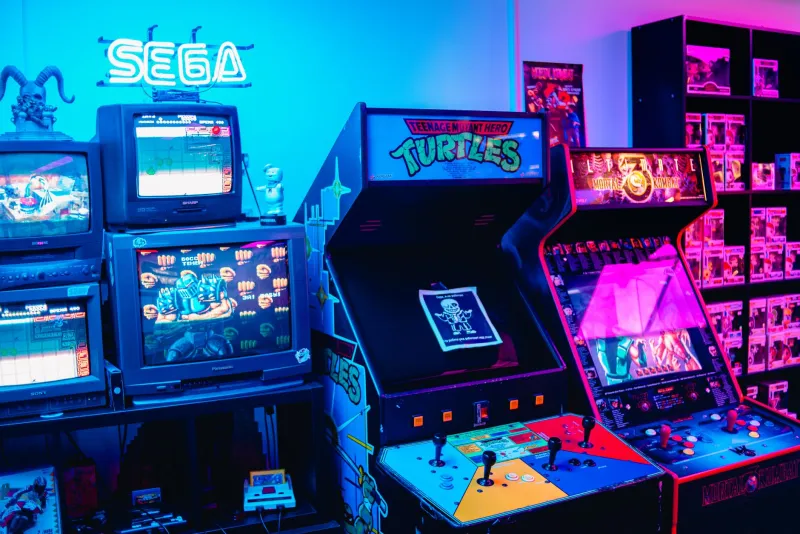
The emulation community has spent years building something that the official market largely hasn't: a genuine preservation infrastructure. Projects like MAME, the work of the Internet Archive, and countless open-source emulator developers have kept games alive that publishers had no interest in maintaining. They've documented hardware quirks, reverse-engineered proprietary chips, and created compatibility layers that let you play a 1984 arcade game on modern hardware with more accuracy than the original cabinet could manage.
That's not the cultural vibe of someone bootlegging a new movie. That's closer to the work of a librarian or a museum archivist. The framing matters, and it's shifted the way a lot of longtime players think about what they're doing when they load a ROM.
When Nintendo sends cease-and-desist letters to fan preservation projects, or when a beloved classic simply disappears from digital storefronts with no warning and no alternative, it reinforces a perception that the companies most entitled to moral authority over this history are the ones least interested in actually stewarding it.
The Subscription Model's Hidden Cost
There's another layer here that doesn't get talked about enough: the subscription model fundamentally changes your relationship to the games you love.
When you owned a cartridge, you owned a cartridge. You could play it in 2005, 2015, 2035, whenever. No server needed. No active account. No monthly charge. The game was yours in the most concrete sense of the word.
A subscription library is a fundamentally different thing dressed up in familiar packaging. You're not buying access to Donkey Kong Country. You're buying access to Donkey Kong Country for as long as Nintendo decides to keep offering it, on hardware they control, through infrastructure they can shut down. The moment you stop paying — or the moment they stop supporting the service — it's gone.
For people who grew up with physical media, that's not a minor philosophical distinction. It's a completely different relationship with the software. And it makes the permanence of a ROM file sitting on your hard drive feel, paradoxically, more like ownership than anything the official market is currently selling.
So Where Does That Leave Us?
Nobody's saying piracy is without complications. There are real developers — particularly indie studios doing official retro-style releases — who deserve your dollars, and downloading their games without paying is just straightforwardly wrong. The moral calculus there is simple.
But when it comes to a 1991 Super Nintendo game from a publisher that no longer exists, sold through a platform that may not survive the decade, for a company that has actively fought preservation efforts — calling the emulation route the morally inferior one requires a level of corporate sympathy most players just don't have anymore.
The emulation guilt spiral is real. A lot of people who grew up respecting the idea of paying for games feel genuine discomfort loading ROMs, even when they've bought the same game three times across different platforms. That discomfort is worth examining.
But so is the system that created it — one where doing the right thing keeps getting more expensive, more temporary, and less satisfying than the alternative. Plug in. Press start. Try not to overthink it.