You Own the Cartridge, But Not the Right to Play It: The Broken Promise of Legal Retro Gaming
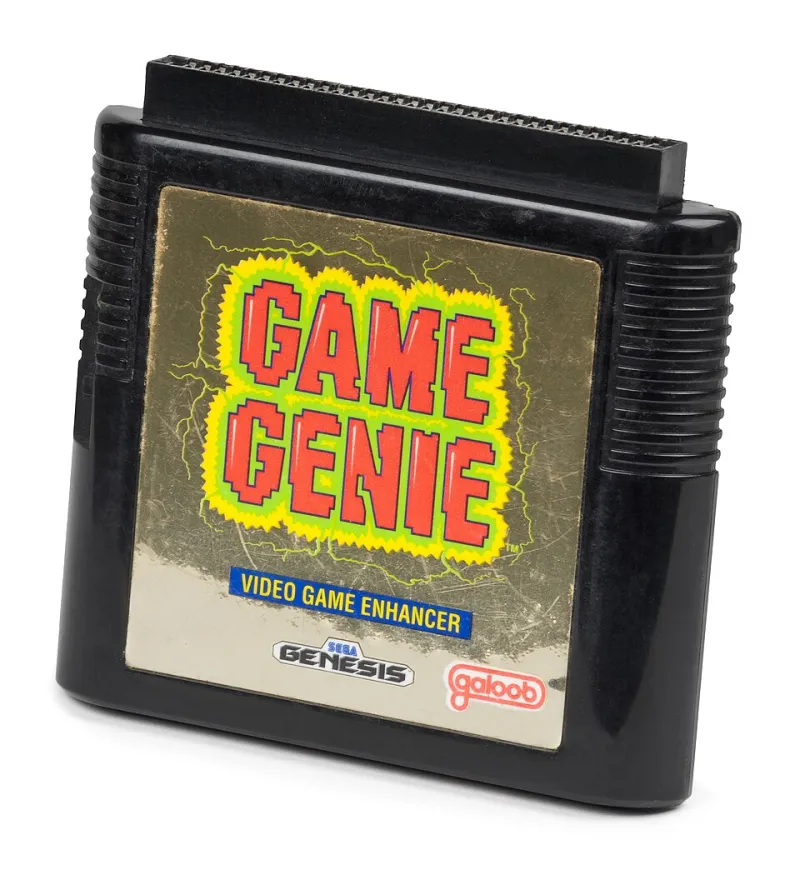
Photo: Evan-Amos, CC BY-SA 3.0, via Wikimedia Commons
Here's a scenario that probably sounds familiar. You're feeling the itch — that specific, almost physical pull toward a game you loved at age nine. Maybe it's EarthBound. Maybe it's Castlevania: Symphony of the Night. Maybe it's some weird licensed tie-in that you inexplicably played 400 times and can still hear the title screen music for in your sleep.
So you do the right thing. You go looking for an official, legitimate way to buy it. You check the Nintendo eShop. You scroll through PlayStation's catalog. You Google whether anyone has re-released it recently. And after twenty minutes of dead ends, you quietly open a browser tab and start reading about emulation.
This is not a personal failing. This is a systemic one.
The Virtual Console That Vanished
For a while, Nintendo actually had this figured out — or at least gestured convincingly in the right direction. The Wii's Virtual Console was genuinely great. For a few bucks, you could download classic NES, SNES, N64, Sega Genesis, and even TurboGrafx-16 titles straight to your console. It wasn't perfect, but it was legal, it was easy, and it was proof that the demand was real.
Then Nintendo killed it. The Wii U had its own version. That got killed too. The Switch launched without any equivalent, and instead of replacing Virtual Console with something better, Nintendo introduced the Nintendo Switch Online subscription service — which offers a rotating, curated library of retro titles locked behind a monthly fee rather than available for individual purchase.
The frustration here is specific and worth naming. With Virtual Console, you owned what you bought. You paid $8 for Super Metroid and it lived on your console. With Switch Online, you're renting access to a library Nintendo controls. The moment you stop paying, or the moment Nintendo decides to pull a title, it's gone. That's not the same thing, and Nintendo's own longtime fans have been vocal about the difference.
Why did Nintendo make this shift? The honest answer is that subscriptions generate predictable recurring revenue in a way that one-time $8 purchases don't. It's a business decision that makes complete sense on a spreadsheet and makes almost no sense to someone who just wants to legally replay Kirby's Adventure.
The Licensing Labyrinth
For titles Nintendo fully owns, the situation is at least straightforward, even if it's annoying. The harder problem — and the one that makes legal retro gaming genuinely difficult for huge swaths of the classic library — is licensing.
A lot of beloved games from the late '80s and '90s were built around licensed properties: movies, sports leagues, musicians, TV shows. The contracts that allowed those games to exist were written for a specific window of time and a specific set of distribution methods. Nobody in 1992 was writing clauses about digital re-release rights for platforms that wouldn't exist for another two decades.
This is why you can't buy the original DuckTales game on modern platforms in its original form. It's why the classic WWF wrestling games are essentially vaulted forever — the WWE (as it's now known) doesn't hold the rights to use the likenesses of wrestlers who've since left the company, and renegotiating all of that would be a legal and financial nightmare. It's why so many old sports titles, which were tied to specific rosters and league licenses, exist in a permanent legal gray zone.
These games aren't being withheld because publishers are evil. They're stuck because the business infrastructure to untangle decades-old rights agreements often costs more than the re-release would ever earn. The economics just don't work, and so the games sit in limbo — legally inaccessible and culturally orphaned.
The "Just Make a Mini Console" Workaround
Nintendo's response to the demand for retro access has largely come in the form of mini consoles — the NES Classic, the SNES Classic, and similar hardware from Sega and others. These were, genuinely, pretty great. They were well-made, the game selections were solid, and they scratched the nostalgia itch in a real way.
But they were also limited. The NES Classic launched with 30 games. The SNES Classic had 21. That sounds reasonable until you start thinking about how many titles those consoles actually had — the NES library alone runs into the hundreds. Mini consoles are curated nostalgia, not comprehensive access. And once Nintendo stopped manufacturing them, even those options dried up, sending prices on the secondary market into absurd territory.
The mini console strategy is essentially a controlled release valve. It lets Nintendo monetize nostalgia in tightly managed bursts without committing to a permanent, comprehensive digital library. Smart business. Genuinely annoying for consumers.
Where Emulation Fits Into All of This
Let's be honest about what emulation actually is in practice, because the conversation tends to flatten into either "it's piracy, full stop" or "information wants to be free, man." The reality is more complicated.
Emulation as a technology is legal. Running a ROM of a game you don't own is, technically, copyright infringement. Running a ROM of a game you do own sits in a legal gray area that has never been definitively resolved in US courts, despite what you may have read on gaming forums in 2003.
What's undeniable is that for a huge portion of the classic gaming library, emulation is the only practical option. Not the cheapest option. Not the most convenient option. The only option. When a publisher isn't selling something, isn't licensing it, and has no announced plans to make it available, the choice isn't between legal and illegal. It's between playing the game and not playing the game.
This is the gap that the industry created and then left sitting there. Nostalgic gamers aren't turning to emulation because they're opposed to paying — most of us would happily hand over $10 for a legitimate digital copy of a game we loved as a kid. We're turning to emulation because the alternative is a physical cartridge that costs $80 on eBay, if it exists at all.
The Preservation Problem Nobody Wants to Talk About
Underlying all of this is a question that gets less attention than it deserves: what happens to these games if nobody preserves them?
Cartridges degrade. The battery-backed saves in older games die. Physical media doesn't last forever, and the infrastructure to manufacture replacement hardware is disappearing. Organizations like the Video Game History Foundation have been doing serious academic and archival work to document and preserve classic titles — and they've noted that a staggering percentage of games from the pre-internet era are effectively unavailable through any legitimate channel.
If the companies that own these games won't sell them, won't license them, and won't support preservation efforts, the argument that they're protecting a commercial interest starts to feel pretty thin. At some point, the question becomes whether cultural artifacts belong to the people who hold the copyright or to the culture that created the demand for them in the first place.
That's a bigger philosophical argument than any one article can settle. But it's worth sitting with.
What Would Actually Fix This
The frustrating part is that this isn't an unsolvable problem. A robust, platform-wide digital storefront where publishers could sell classic titles at reasonable prices — with clear ownership, not rental — would generate real revenue and real goodwill. The demand is proven. Millions of millennials and Gen Xers with disposable income would absolutely pay for clean, legal access to the games they grew up with.
Some publishers are getting there. Capcom has done solid work with its collections. Limited Run Games has carved out a niche in physical re-releases. Nightdive Studios has made a business out of reviving old PC classics. These are bright spots.
But for every Mega Man Legacy Collection, there are hundreds of titles sitting in rights limbo, accessible only through gray-market channels or not at all. Until the industry figures out a comprehensive answer to that problem, the emulation conversation isn't going away — and honestly, it probably shouldn't.