Fool's Gold in the Cartridge Bin: What Retro Games Are Actually Worth Real Money
Every few months, someone posts a photo of their grandma's basement haul in a retro gaming Facebook group, and the comments explode. Hold onto that. That's worth something. Don't sell yet. Half the advice is solid. The other half is wishful thinking dressed up as collector wisdom. The problem is, most people genuinely can't tell the difference — and that confusion is costing them either real money or real shelf space.
So let's get into the actual numbers. Not vibes, not forum speculation — real sold listings, auction results, and the cold logic of supply and demand.
Why the Myth Exists in the First Place
Nostalgia does something funny to perceived value. When you loved a game as a kid, it feels rare and special. That emotional weight gets mistaken for financial weight. Combine that with a few high-profile auction headlines — like that graded copy of Super Mario Bros. that sold for over $100,000 — and suddenly everyone thinks their attic is a vault.
But those headline numbers almost always involve professionally graded, factory-sealed copies in near-perfect condition, often with provenance that makes them more collectible artifact than playable game. The cartridge you actually blew into and saved your progress on? It's operating in a completely different market.
Pricing data from platforms like PriceCharting — which tracks actual completed sales rather than wishful asking prices — tells a much more grounded story.
The Games That Actually Pay Off
Let's start with the good news. There are genuinely valuable cartridges sitting in closets across America, and some of them are surprising.
Nintendo (NES/SNES) has a few real standouts. Stadium Events for the NES is legitimately rare — it was pulled from shelves almost immediately after release, and loose cartridges regularly sell in the $200–$400 range, with complete-in-box copies going significantly higher. Little Samson, another NES title, consistently moves for $300+ loose. On the SNES side, Earthbound is the crown jewel — complete copies with the original box and strategy guide have sold for $500 to well over $1,000 depending on condition.
Sega Genesis has its own heavy hitters. Blockbuster World Video Game Championship II cartridges are genuinely scarce, as are certain late-run releases like Crusader of Centy and Castlevania: Bloodlines, which can fetch $150–$300 loose.
Game Boy collectors have been sleeping on a few titles. Trip World — a Japan-exclusive that made its way into some US collections — is worth real money. So is Amazing Tater, which routinely sells for over $200 in decent shape.
The pattern here is consistent: limited production runs, regional quirks, or games that were pulled from shelves early. That's actual scarcity, not manufactured hype.
The Games Everyone Thinks Are Worth Something (That Aren't)
Here's where things get uncomfortable for a lot of collectors.
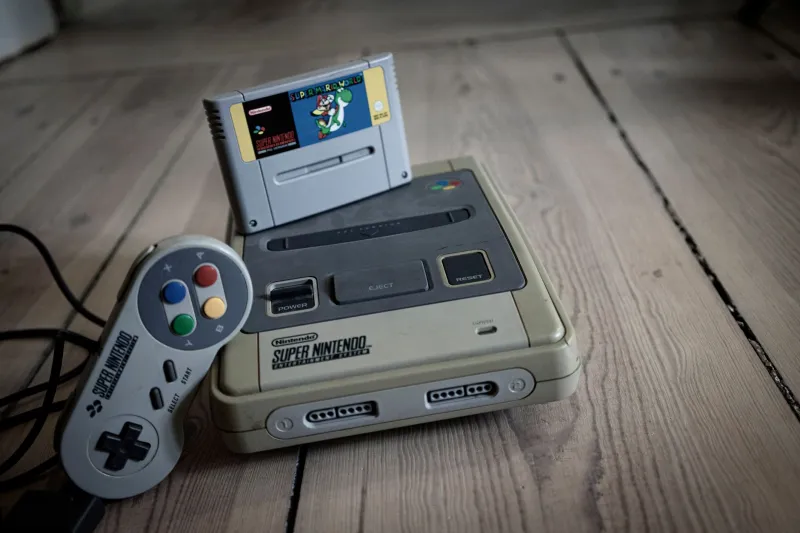
Donkey Kong Country for SNES? Beloved game, absolutely. Worth money? Not particularly — loose copies move for around $10–$20. Mortal Kombat on any 16-bit console? Common as dirt. Super Mario World? You and approximately 20 million other people have that cartridge. The most popular games from the most popular consoles are almost never rare because they sold by the truckload.
The same logic applies to sports titles. Madden, NBA Live, NHL — these were annual releases produced in massive quantities. Unless you have a specific launch edition with some documented quirk, you're looking at $2–$8 per cartridge on a good day. People hoard these by the bin, convinced they're sitting on something. They're not.
RPGs are a slightly different story, but even here the myth outpaces reality. Yes, Final Fantasy III (the US version of Final Fantasy VI) is worth more than your average SNES cart — but loose copies generally cap out around $30–$50. That's not nothing, but it's also not retirement money.
The Condition Trap
Even genuinely valuable games lose most of their value without the right packaging. The gap between a loose cartridge and a complete-in-box copy with an intact manual can be enormous — sometimes 3x to 5x the price difference.
Earthbound is the clearest example. A cartridge alone might get you $150–$200. Add the original box and the scratch-and-sniff player's guide, and you're looking at $800 or more. That's the same game, but the box and manual are where the real value lives for serious collectors.
If you've got cartridges but no boxes, temper your expectations accordingly. And if you do have complete-in-box copies, store them carefully — a crushed corner or sun-faded label can slice the value significantly.
What the Graded Market Actually Means for Regular People
You've probably seen graded games — those sealed cartridges in acrylic cases with a numeric score from companies like Wata Games or VGA. The prices these fetch are real, but they exist in a collector economy that's mostly disconnected from the casual resale market.
Unless you have a factory-sealed game in pristine condition, grading likely isn't worth pursuing. The cost of submission, the wait time, and the uncertainty of the grade make it a poor bet for anything but genuinely rare sealed copies. Don't send your played-through Link to the Past cartridge to get graded. It won't end well.
How to Actually Check What You've Got
The fastest reality check available to any collector is PriceCharting.com. It aggregates completed sales — not listed prices — from eBay and other platforms, which means you're seeing what people actually paid, not what sellers hoped to get. Search your game, filter for loose vs. complete, and you'll have a real number in about 30 seconds.
For anything you think might be genuinely valuable, cross-reference with recently completed eBay auctions. Sort by "Sold Items" and look at the last 90 days. That's your real market.
Reddit communities like r/GameValueTime and r/nes can also help with condition-specific questions, though be cautious about advice from anyone who seems more invested in the answer than you are.
The Honest Takeaway
Most retro game collections are worth less than their owners believe and more than a casual yard sale price. The genuine rarities exist, but they're specific — and they're not usually the games you played the most or loved the hardest.
Knowing the difference doesn't have to be a bummer. If you've been holding onto games hoping they'd fund a vacation someday, this is the information that helps you make a real decision. And if you find out your copy of Stadium Events has been sitting in a bin under your bed for twenty years — well, that's a very good Tuesday.
Plug back in, check the numbers, and know what you've actually got.