Dust Off the Past: A Field Guide to Finding Retro Gaming Gold in Family Storage
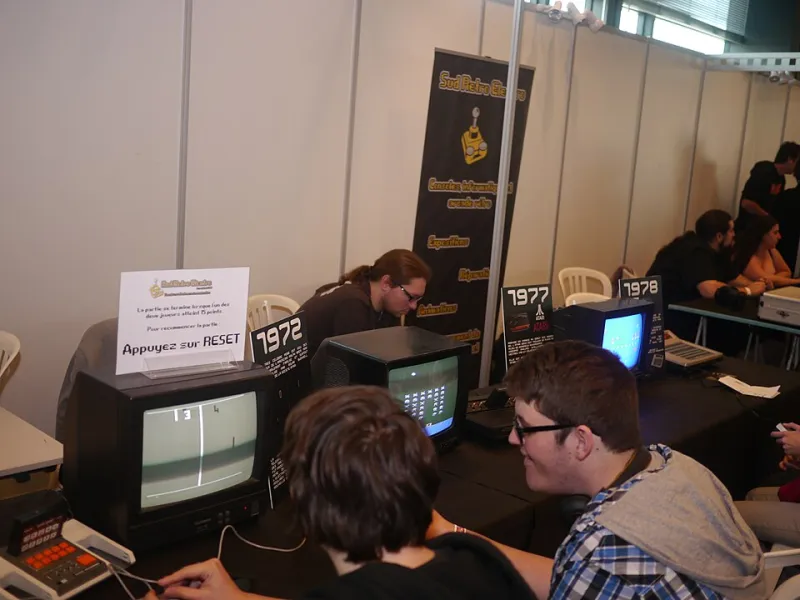
Photo: Yves Tennevin, CC BY-SA 3.0, via Wikimedia Commons
Every few years, a story circulates online about someone who found a sealed copy of a rare NES game at a thrift store for three dollars. Those stories are real, and they are genuinely infuriating to the rest of us — but they point to something important: retro gaming value is everywhere, and most people don't know how to see it.
If you're a millennial or Gen X adult with parents who still have boxes in the attic, a storage unit they've been paying for since 1998, or a garage that hasn't been fully excavated in a decade, there's a real chance something valuable is sitting in there. The question is knowing what to look for, what it's actually worth, and what you want to do with it once you find it.
Start With What You Know Was There
Before you go digging, think back. What consoles did your household own? What games do you remember playing? That mental inventory is your first filter. If your family had a Nintendo Entertainment System, a Super Nintendo, a Sega Genesis, or a Game Boy at any point between 1985 and 1995, there is almost certainly something worth keeping — and potentially something worth selling.
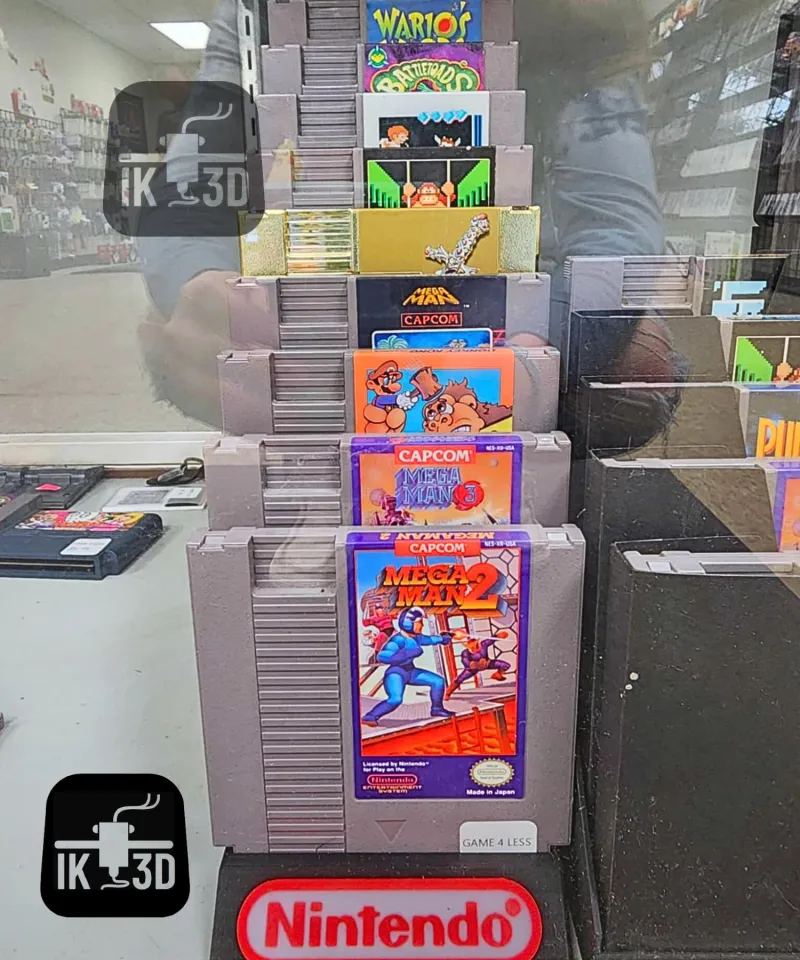
The platforms with the most consistent resale value right now are: the NES, SNES, Sega Genesis, original Game Boy and Game Boy Color, and the Nintendo 64. Atari 2600 hardware is less valuable than people expect, but cartridges for it can vary wildly depending on the title. TurboGrafx-16 hardware and software, if you happen to find any, tends to command strong prices because the library was smaller and the system was less common in the US market.
What to Actually Look For
When you're going through boxes, don't just grab the consoles. The accessories and peripherals are often where the real surprises live.
Original boxes and manuals dramatically increase the value of almost any cartridge-era game. A loose copy of a common NES game might be worth five dollars. The same game with its original box and manual can be worth four or five times that. For rarer titles, the multiplier gets even more significant.
Sealed games are the holy grail, obviously, but they're also rare enough that you shouldn't expect to find them. If you do find something that appears to be factory sealed — meaning the original plastic wrap is still intact and there are no price stickers punched through the wrap — handle it carefully and don't open it under any circumstances until you've researched the title.
Accessories in original packaging are consistently undervalued at yard sales and in family storage alike. A boxed Game Genie, a boxed NES Advantage joystick, or a complete Super Scope setup can fetch real money from collectors who want display-ready pieces.
Regional variants and licensee oddities are worth a second look. Some games were published by companies that went out of business quickly, leading to smaller print runs and higher collector demand. If you find a cartridge from a publisher you don't recognize, look it up before assuming it's worthless.
Realistic Pricing Expectations
Here's where we need to be honest with you, because the internet has a way of inflating expectations around retro game values.
The floor has dropped on common titles. There are thousands of NES games that sell for two to ten dollars loose, because there were millions of copies made and they've been circulating at yard sales for thirty years. Super Mario Bros., Tetris, and Contra are not going to fund your retirement. What does hold value — and appreciate — are complete-in-box copies of mid-tier games, rare licensed titles, and anything from a platform with a small library.
PriceCharting.com is your best free resource for current market values. It aggregates actual eBay sold listings, which is the most honest measure of what something is actually worth versus what sellers hope it's worth. Check completed sales, not active listings.
One reader, Dave from Portland, found a complete-in-box copy of Little Samson for the NES in his parents' closet — a game he'd completely forgotten about. It was worth north of $500. That's a real story. It's also not typical. Most finds are more modest, but modest still adds up.
The Emotional Calculus: Sell, Keep, or Restore?
This is the part nobody talks about enough. Financial value and personal value are not the same thing, and conflating them leads to regret in both directions.
Selling a collection that was meaningfully part of your childhood — especially one that might have belonged to a sibling or a parent — is a decision that deserves more than a quick eBay search. Some people sell and feel great about the money. Others sell and feel the absence of the thing for years afterward. There's no wrong answer, but it's worth sitting with the question before you list anything.
Restoring hardware is a middle path that a lot of collectors find satisfying. A console that powers on but has a yellowed shell and dirty contacts can often be cleaned, recapped, and made fully functional for a modest investment of time and money. Retrobrighting — a process for reversing the yellowing of old plastic — is accessible to beginners and can make a beat-up console look genuinely presentable again.
If you're not sure whether to sell or keep, a useful rule of thumb: if you find yourself describing the item to someone else with specific memories attached — "this is the game we played every Christmas," "my brother saved up for three months to buy this" — that's a keep. If you're describing it purely in terms of its condition and potential value, that's probably a sell.
Before You List Anything
A few practical notes before you go full eBay entrepreneur:
Clean everything gently before photographing it. Isopropyl alcohol on a cotton swab handles most cartridge contacts and shell grime without causing damage. Don't use anything abrasive.
Test consoles and cartridges before listing them as working. A non-working console listed as untested will sell, but a working console is worth meaningfully more and builds better seller feedback.
Bundle strategically. A lot of common games sold as a bundle often moves faster and for better collective value than individual listings for each two-dollar cartridge.
And finally: whatever you find in that basement, take a minute before you do anything with it. Plug it in. Press start. You might be surprised what you remember.