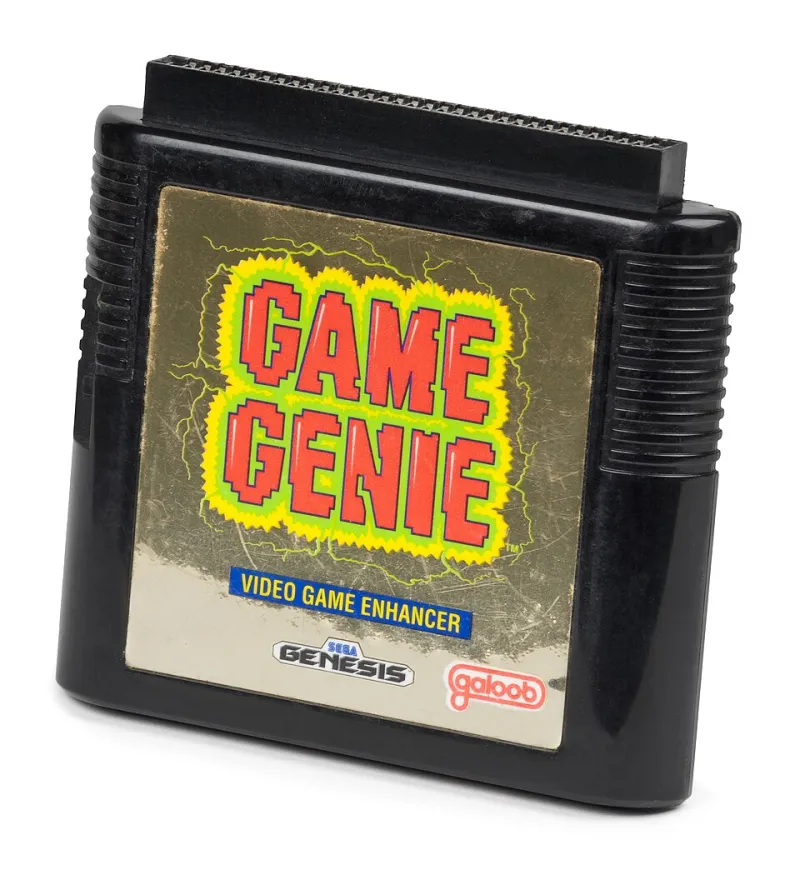
Confessions of a ROM Downloader: The Guilt Trip Nobody in Retro Gaming Talks About
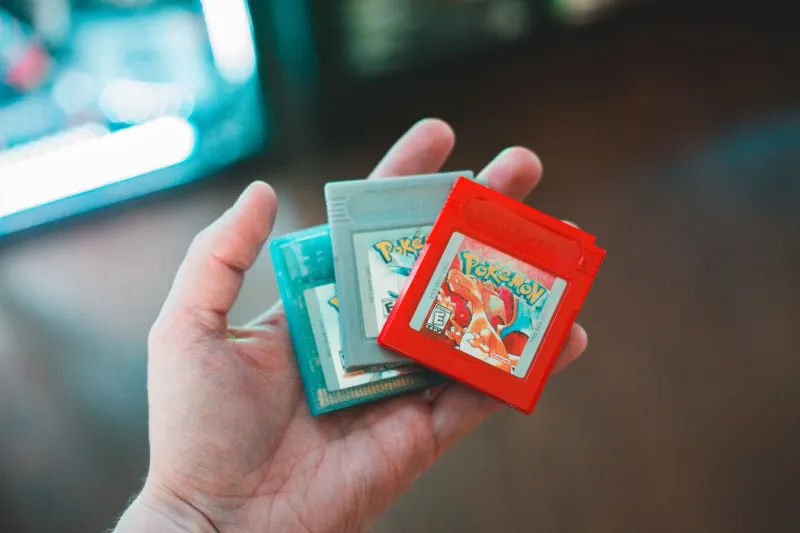
Let's just say it out loud: a huge chunk of the retro gaming community is playing games they technically shouldn't be. Not pirating AAA titles or ripping off indie developers — but downloading ROMs of 30-year-old cartridge games that haven't been sold in stores since the Clinton administration. And yet, for a lot of those same people, there's this low-level hum of guilt that never fully goes away.
That guilt is worth talking about. Because it's complicated in ways that go way beyond "piracy is bad" bumper sticker logic.
The Moment You Rationalize It
Here's how it usually goes. You're feeling nostalgic. Maybe you just saw someone mention Earthbound on social media, or you caught a YouTube video about some obscure TurboGrafx-16 game you vaguely remember from a friend's house in 1992. You check eBay. The cartridge is $80. Maybe $150 if it has the box. You check Nintendo's Switch Online library. Not there. You check the Nintendo eShop. Nope. You Google whether it's been officially rereleased anywhere in the last decade. It hasn't.
So you download the ROM.
And then immediately, quietly, you start building your case. The company doesn't even sell this anymore. They're not losing money. I owned this as a kid — this is basically my copy. I'm preserving gaming history. Sound familiar? That internal monologue is so common in retro gaming circles it's practically a meme at this point. But the fact that everyone does it doesn't mean it doesn't sting a little.
The Legal Reality Is Genuinely Murky
Here's where things get interesting: the law itself isn't exactly a beacon of clarity on this stuff. The "72-hour backup rule" that a lot of gamers cite — the idea that downloading a ROM is fine if you own the original cartridge — is largely a myth. It's not an official legal exemption under U.S. copyright law. Courts have generally not been sympathetic to that argument.
At the same time, the legal system hasn't exactly been on a crusade to prosecute individual gamers downloading Mega Man 7. The real enforcement actions have targeted the ROM hosting sites themselves, not the people downloading from them. Nintendo in particular has been aggressive about shutting down major ROM repositories — the 2018 takedowns of LoveROMS and LoveRETRO resulted in a $12 million settlement. But individual players? So far, mostly left alone.
That legal gray zone is part of what makes the guilt so persistent. It's not black and white. It's a weird fog where something feels wrong but the consequences are abstract, and the moral injury is hard to quantify.
What the Industry Actually Offers (And Where It Falls Short)
To be fair, the official options have gotten better. Nintendo Switch Online gives subscribers access to a rotating library of NES, SNES, Game Boy, Game Boy Advance, and N64 titles. Sega has done solid work with its Genesis and Mega Drive collections on modern platforms. Capcom, Konami, and Atari have all released compilation packs. Microsoft's backward compatibility program on Xbox is genuinely impressive.
But here's the honest problem: the libraries are curated, not comprehensive. For every beloved title that makes the cut, there are dozens of others that don't — often because of complicated licensing issues, music rights, or simply because the publisher doesn't think there's enough commercial demand. If you want to play Pocky & Rocky or Little Samson or Battletoads in Battlemaniacs through official channels right now, good luck. The options are slim to none.
Subscription fatigue is also real. Between Nintendo Switch Online, Xbox Game Pass, PlayStation Plus, and whatever streaming service added a gaming tier this month, plenty of retro fans have hit a wall on how many monthly fees they're willing to absorb — especially when the specific games they want still aren't available on any of them.
The Preservation Argument: Sincere or Convenient?
A significant portion of the emulation community frames ROM downloading as an act of cultural preservation. And honestly? There's real substance to that argument. Video game preservation is a genuine crisis. The Video Game History Foundation conducted a study finding that 87 percent of classic games are out of print and essentially inaccessible through legitimate means. Physical media degrades. Servers shut down. Companies go bankrupt and take their catalogs with them.
The Internet Archive and dedicated preservation groups have done serious, meaningful work to document and maintain access to gaming history. Emulation is central to that mission. Without it, enormous chunks of gaming culture would simply vanish.
But — and this is where the honest self-reflection comes in — most people downloading ROMs aren't doing it as an act of archival activism. They're doing it because they want to play a game they remember loving, and downloading it is faster and cheaper than any other option. The preservation argument is real, but it's also sometimes a very convenient thing to believe about yourself.
The Collector's Particular Flavor of Guilt
Interestingly, the guilt tends to hit hardest among people who are already deep into retro gaming culture — collectors, enthusiasts, people who genuinely care about the history and craftsmanship of classic games. Casual players don't really agonize over this stuff. It's the person with three shelves of original cartridges who lies awake wondering if they're a hypocrite for also running an emulator on their Steam Deck.
There's something almost poetic about that. The more you love this stuff, the more complicated your relationship with accessing it becomes. The retro gaming community is full of people who will passionately argue for supporting developers and preserving gaming culture — and who also have a hidden folder on their laptop.
So Where Does That Leave Us?
There's no clean resolution here, and anyone who tells you otherwise is probably oversimplifying. The emulation debate sits at the intersection of copyright law, corporate responsibility, cultural preservation, and personal ethics — and none of those things resolve neatly.
What seems clear is this: the industry's failure to make classic games broadly and affordably accessible is doing real damage. Not just to gamers' wallets, but to the cultural legitimacy of copyright as a concept. When people feel like the only way to access their own gaming history is to break the rules, the rules start to feel less like protection and more like obstruction.
That doesn't make ROM downloading consequence-free. But it does mean the guilt is pointing at something real — a genuine gap between what the industry offers and what the people who love these games actually need.
In the meantime, the emulators keep running. And somewhere, someone is playing Earthbound on their phone and feeling some kind of way about it.
Same, honestly. Same.